BuzzRecipes
ClusterMarch 2, 2024

5-Ingredient Chicken Dinners That Eradicate Food Waste and Save Your Grocery Budget

5-Ingredient Chicken Dinners That Eradicate Food Waste and Save Your Grocery Budget

You are overspending on weeknight dinners while perfectly good ingredients die in your crisper drawer. It is entirely possible to feed a family using only five core ingredients, cheap cuts of poultry, and the sad vegetables you were about to throw away.

Expensive spices and elaborate marinades are a luxury. Mastering heat, salt, and fat is mandatory.

Here is exactly how you transform basic chicken and leftover scraps into massive flavor without a twenty-item grocery list.

Stop Buying Boneless Skinless Chicken Breasts

Boneless, skinless chicken breasts are the highest-priced, lowest-flavor cut of meat in the entire grocery store. They dry out instantly and require heavy sauces to taste like anything.

You must transition to bone-in, skin-on chicken thighs and drumsticks. The bone acts as a thermal insulator, keeping the dark meat incredibly juicy under high-heat roasting.

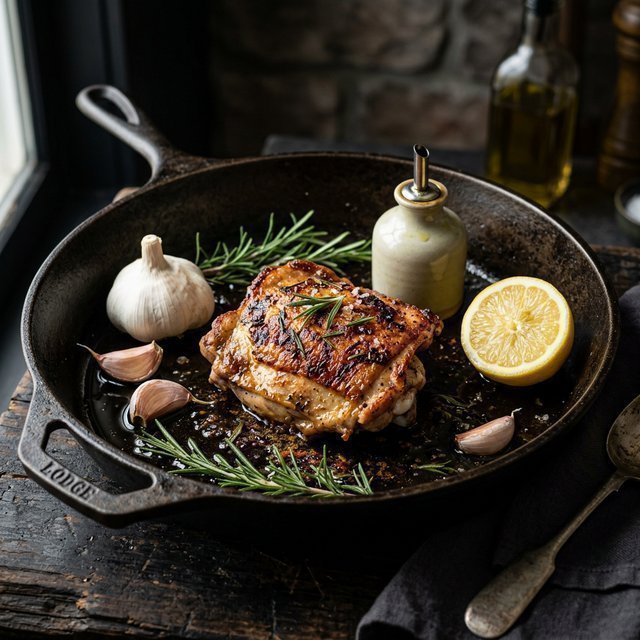
More importantly, the skin renders down into liquid gold. As the chicken bakes or sears in a cast iron skillet, the natural fat melts perfectly.

This creates a free, highly flavored cooking oil that automatically coats your vegetables. It is the absolute cheapest flavor enhancer available to the modern home cook.

The Chef's Pro-Tip: The Braising Mistake

Chef's Pro-Tip: Early in my career, I ruined a massive batch of staff meal by trying to severely hard-boil skinless chicken breasts for a quick soup. They turned to rubber. The head chef handed me a tray of bone-in thighs and told me to sear them hard, then deglaze the pan with water and a dying onion. The resulting pan sauce was a revelation. Fat equals flavor, and the bone provides structure. Always use the whole cut.

The 5-Ingredient Mediterranean Sheet Pan Formula

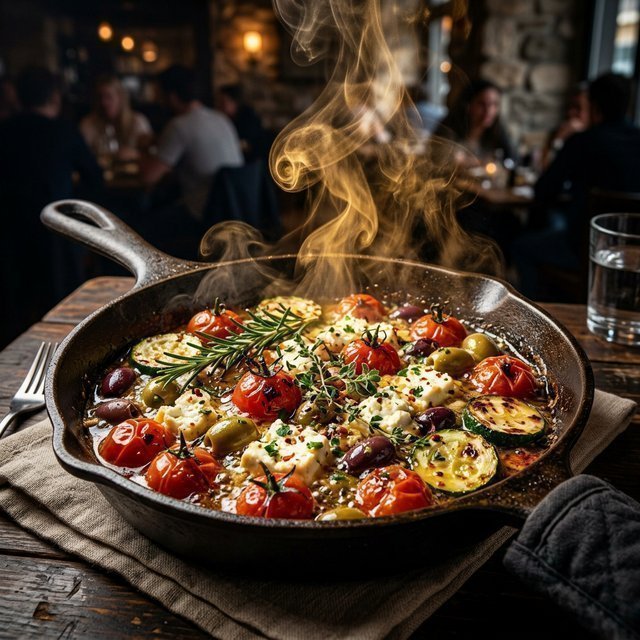
The sheet pan dinner is the ultimate zero-waste kitchen strategy. It requires zero active stovetop cooking time and perfectly utilizes the high-heat roasting method to caramelize vegetables.

By cooking everything on a single pan, the flavors naturally meld together. You only count the five actual food components.

Salt, pepper, and olive oil form your invisible baseline. Do not count them against your five-ingredient limit.

  • Bone-in Chicken Thighs: Space them evenly on the metal sheet pan to ensure optimal airflow and crispy skin.
  • Wilting Cherry Tomatoes: They do not need to be firm. As they blister in the oven, they burst and create a natural acidic pan sauce.
  • Half a Leftover Red Onion: Roughly chop it. It will absorb the rendering chicken fat and provide a sweet, caramelized contrast.
  • Feta Cheese: Crumble it heavily over the blistered tomatoes during the final three minutes of roasting.
  • Fresh Oregano: Toss whole sprigs onto the pan before they turn black and slimy in your crisper drawer.

Roast everything at 425°F (220°C) for 35 minutes without interrupting the cooking process. Always check that the internal temperature of the thickest chicken piece reaches exactly 165°F (74°C) using a digital meat thermometer.

Master the Cast Iron Skillet

When you do not want to turn on the oven, your heavy cast iron skillet is the next best tool for five-ingredient meals. Cast iron retains heat perfectly, allowing for aggressive searing that locks in moisture.

Start by placing chicken thighs skin-side down in a cold pan. Turn the heat to medium-low on the stovetop. This technique slowly renders the chicken fat out over fifteen minutes, leaving the skin crispy like a potato chip.

Once the skin is fully rendered and golden, flip the chicken over. Toss whatever leftover dense vegetables you have straight into the bubbling chicken fat.

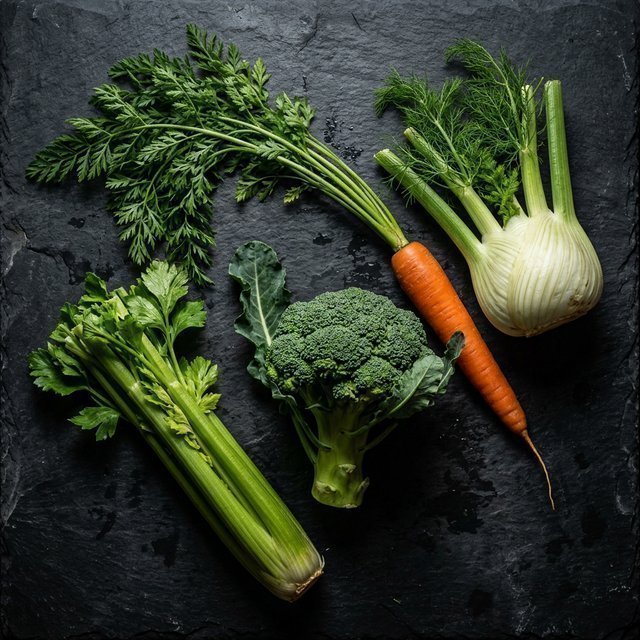
Broccoli stalks, diced sweet potatoes, and aging carrots are ideal candidates. The vegetables fry directly in the savory pan drippings, absorbing incredible depth of flavor without extra oil.

Repurpose Your Sad Starches

A five-ingredient chicken dinner still needs a dense carbohydrate to soak up those delicious pan drippings. Do not cook a fresh batch of rice or pasta.

Use the stale, petrified bread sitting on your kitchen counter. Rip it into jagged chunks with your hands. Toss the bread directly into the skillet or onto the sheet pan during the last ten minutes of cooking.

The bread will aggressively absorb the rendered chicken fat and tomato juices. It organically transforms into massive, savory croutons holding extreme flavor.

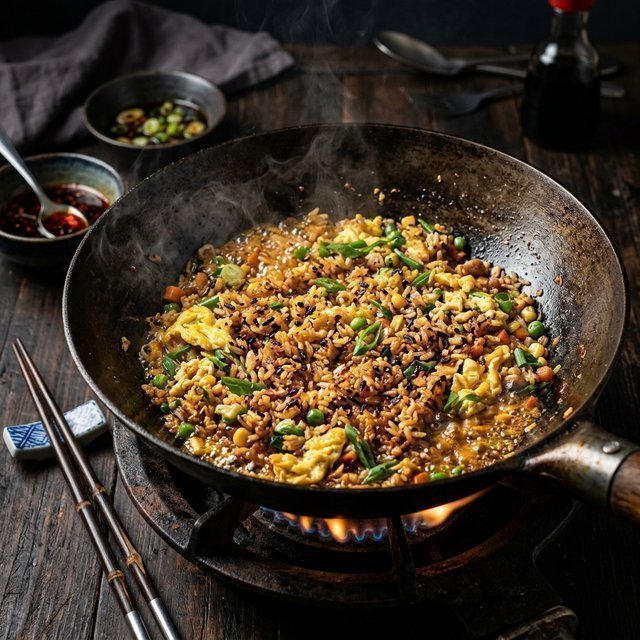
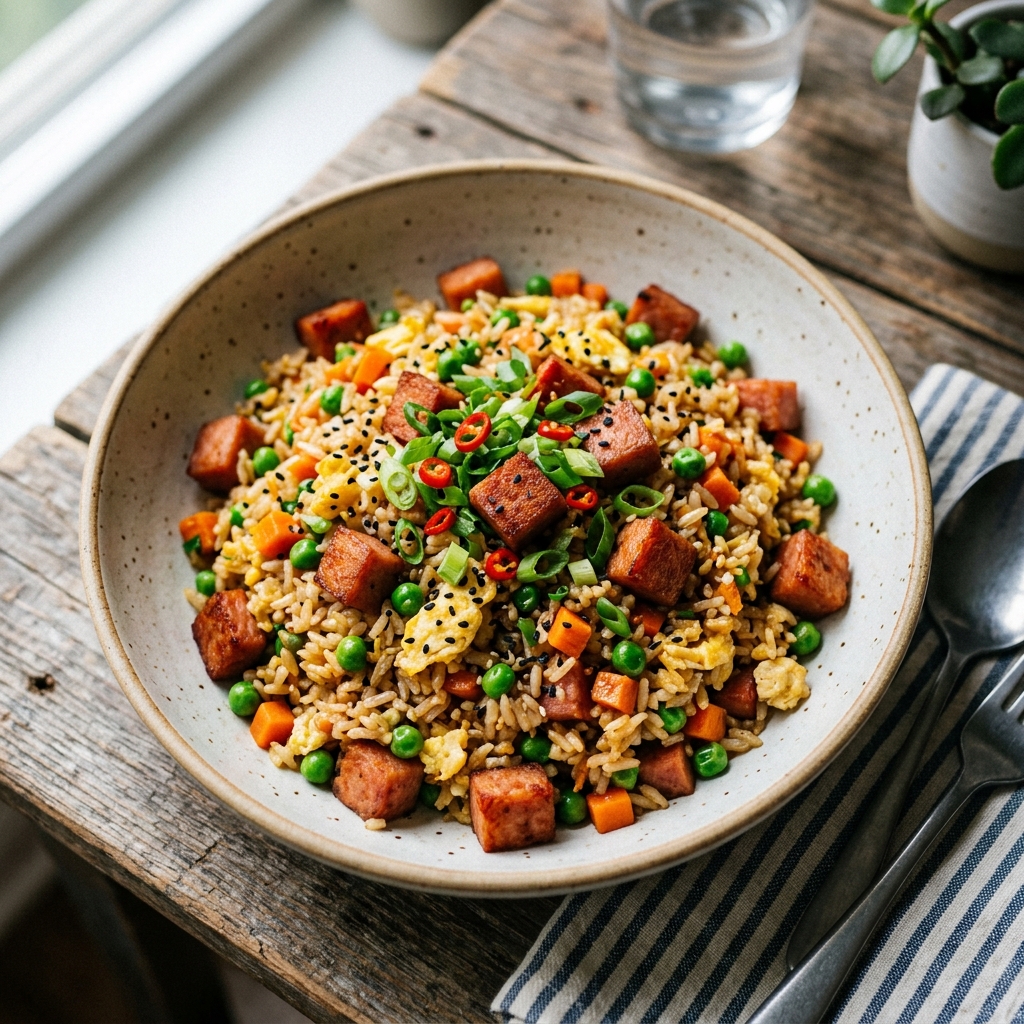
Alternatively, utilize day-old rice from a previous dinner. Cold, leftover rice holds its shape perfectly when tossed into a hot skillet with leftover shredded chicken and a dash of soy sauce.

Fresh rice becomes a mushy, watery disaster. Leftover, dehydrated rice is a strict structural requirement for perfectly separated, crispy grains.

The Acidic Finish: Upcycling Citrus Peels

Heavy, fat-rendered chicken dishes require sharp acid for balance to prevent them from tasting overwhelming. Squeezing fresh lemon juice over the finished plate is standard operating procedure.

However, throwing away the peel afterward is a massive waste of culinary potential. The essential oils embedded in citrus rinds are incredibly potent and highly aromatic.

Before you juice that lemon, use a microplane to zest the yellow skin directly over your roasted chicken. You instantly elevate a basic budget meal into a restaurant-quality dining experience.

You achieved this using a scrap piece of fruit that costs literally nothing. It is the absolute ultimate expression of zero-waste kitchen economics.

Transform Your Meal Scraps Into Liquid Gold

After you carve the meat off those bone-in chicken thighs, you are left with the bones, cartilage, and pan drippings. The average household throws this directly into the trash can.

You are throwing away premium quality collagen bone broth. Every time you cook bone-in poultry, store the leftover bones in a dedicated gallon bag in your freezer.

When that bag is completely full, dump the frozen bones directly into a slow cooker. Add water, a splash of apple cider vinegar, and any wilting celery or onion ends you have saved.

Simmer the mixture gently for twelve hours. The mild acid from the vinegar extracts the collagen and minerals directly from the bones. The slow heat extracts the remaining savory flavor.

You just manufactured quarts of premium, gut-healing bone broth for zero additional dollars. Use it as the robust base for your next round of five-ingredient soups or use it to boil your rice instead of plain water.

Build a Resilient Pantry Infrastructure

A successful five-ingredient meal strategy requires a permanent backbone of dry goods. You cannot fridge forage effectively if your pantry shelves are barren.

Keep a massive bottle of extra virgin olive oil permanently stocked. It serves flawlessly as your cooking fat, your salad dressing, and your finishing drizzle.

Always have multiple distinct shapes of dried pasta ready. Long noodles like spaghetti and tubular shapes like penne hold differently textured sauces in entirely different ways.

Stock up on canned goods aggressively when they go on major sale. Canned chickpeas, crushed tomatoes, and black beans last for years without losing quality.

They provide the bulk, the protein, and the sauce base for nights when your fresh produce is completely depleted.

The Mathematical Breakdown of Savings

Let's run the exact financial mathematics of this zero-waste kitchen strategy. The average takeout meal costs fifteen to twenty dollars per person.

A standard family of four spending twenty dollars apiece on a Tuesday night delivery order just burned eighty dollars. That happens multiple times a week in most North American households.

By switching to bone-in chicken cuts, which regularly retail for under two dollars a pound, your core protein cost plummets. Pairing that cheap protein with aging vegetables from your crisper drawer completely eliminates the need to buy specific side dishes.

Your entire five-ingredient sheet pan dinner feeds the whole family for under ten dollars total. You are saving seventy dollars per meal, multiplying your grocery budget's efficiency exponentially.

This is not just cooking. It is aggressive financial management executed through smart kitchen operations.

Automate Your Weeknight Cooking

Staring at a package of chicken thighs and a random assortment of dying vegetables can cause intense decision paralysis. You do not need to figure out the precise flavor combinations yourself.

Plug your random pantry items and leftover produce directly into our Free AI Fridge Food Generator. We instantly cross-reference your exact available ingredients against professional flavor databases.

The smart engine algorithmically spits out a highly optimized, completely customized recipe using only what you currently own.

Stop throwing away perfectly good food and wasting your money. Master the five-ingredient framework, implement our zero-waste strategies, and generate your next perfect dinner tonight.

Rate this recipe

Sarah

Meet Sarah ✨

Hi, I'm Sarah! I'm passionate about creating delicious, accessible recipes that help you make the most out of your kitchen. Whether it's reducing food waste or exploring vibrant new flavors, my goal is to make cooking a joy for everyone.

Contact Me