What to Cook with Leftover Rice: 15 Easy Recipes & Zero-Waste Tips
Don't throw away that cold rice! From crispy garlic fried rice to sweet rice pudding, discover creative ways to transform leftovers into gourmet meals while saving money.
Why Leftover Rice is Actually Better for Cooking
In This Guide
Best Recipes Using Leftover Rice
Here are our top-rated recipes designed specifically for yesterday's rice.
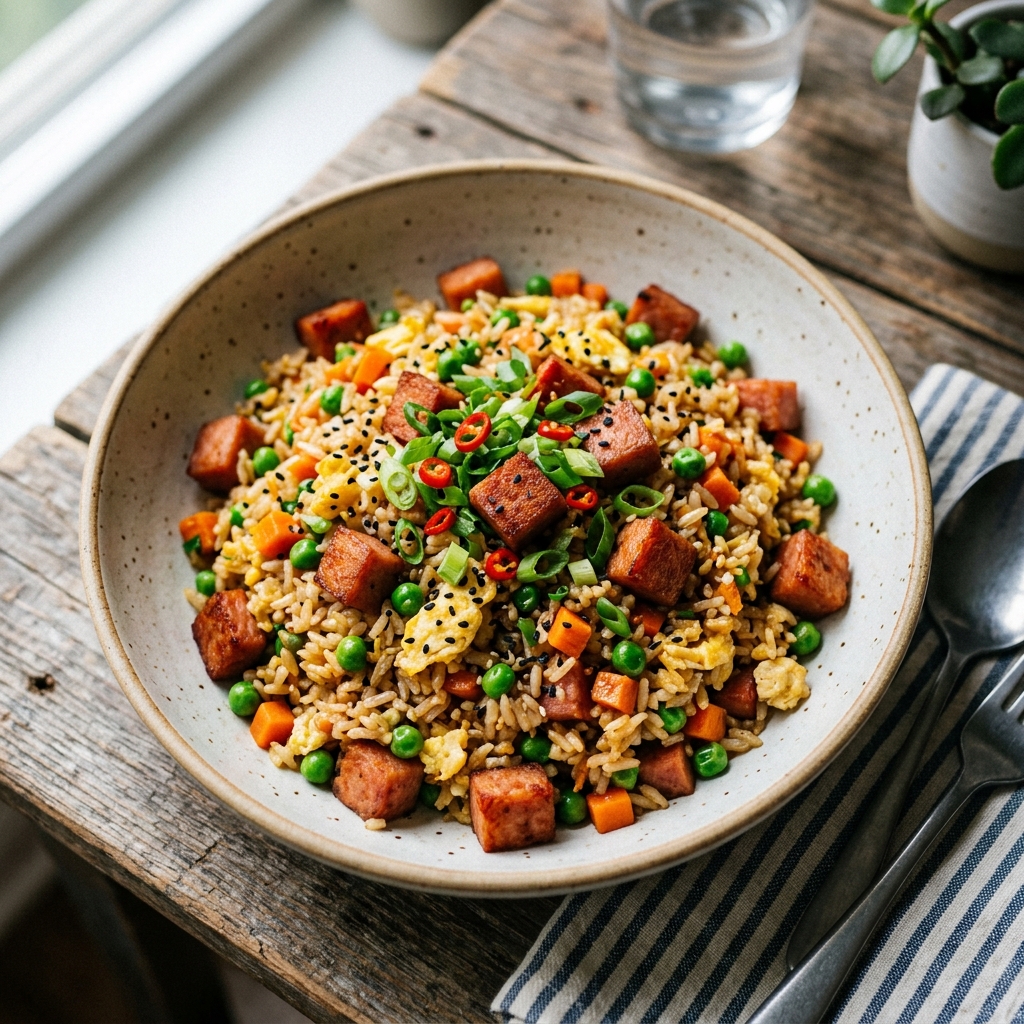
1. Spam Fried Rice (The Ultimate Leftover Dish)
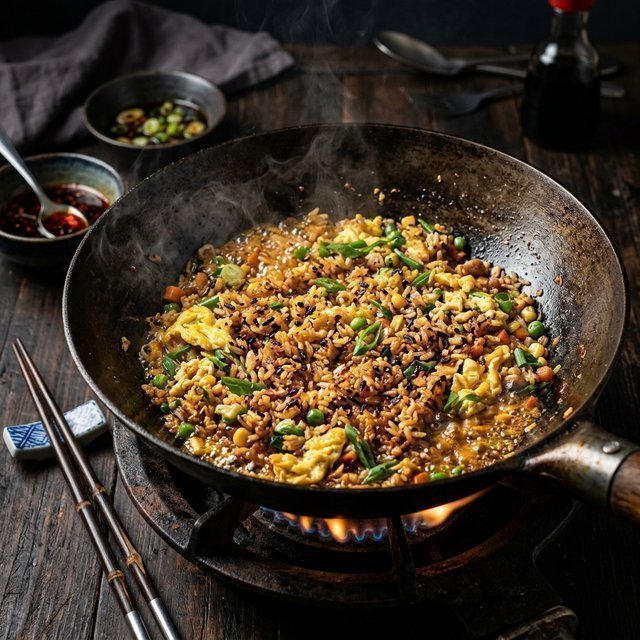
A Hawaiian classic that uses cold rice to achieve that perfect crispy texture. Savory spam, salty soy sauce, and sweet peas make this a family favorite that comes together in 15 minutes.
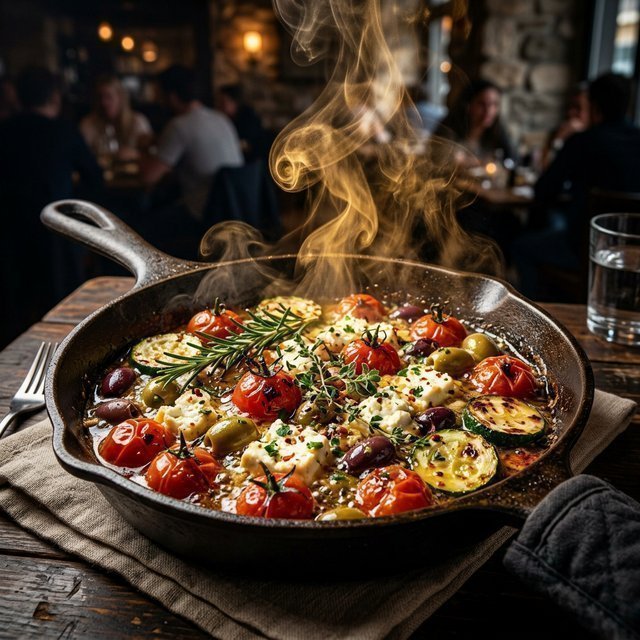
2. Mediterranean Skillet Formula
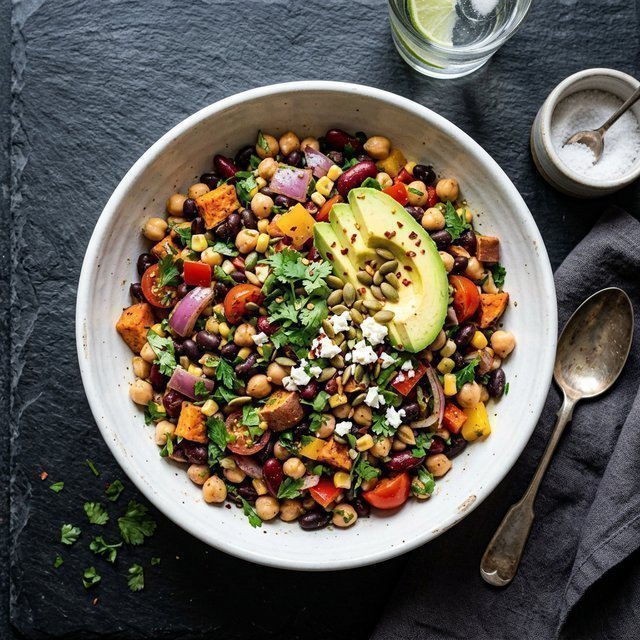
Transform plain rice into a zesty Mediterranean feast with chickpeas, feta, and lemon. This one-pan wonder breathes life back into dry grains.
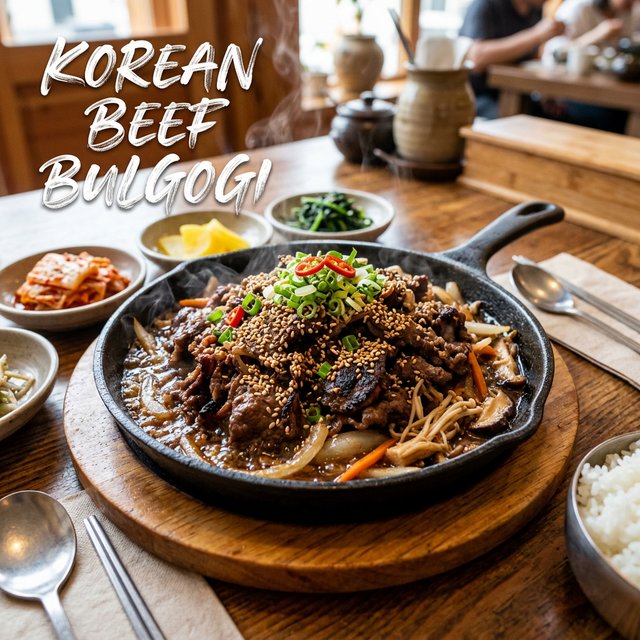
3. Quick Beef Bulgogi Bowls
Use leftover rice as a bed for sweet and savory Korean marinated beef. The rice absorbs all the delicious pan juices.
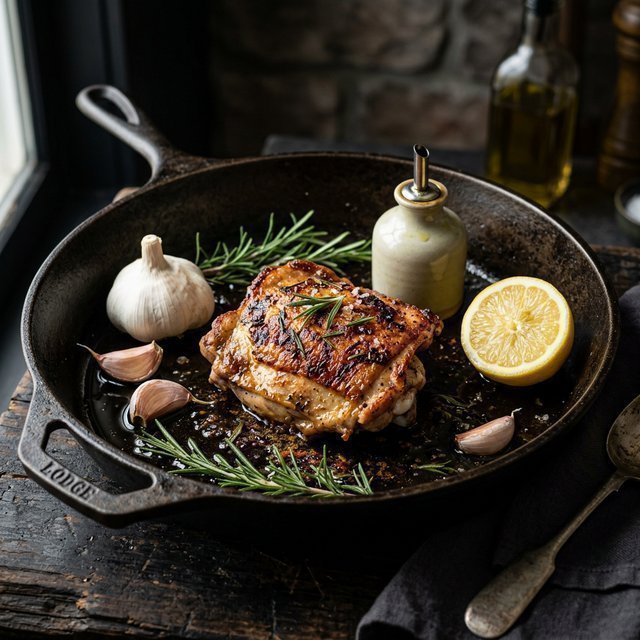
4. Creamy Chicken and Rice Soup
Throw your cold rice straight into simmering broth at the last minute to thicken the soup without the rice turning to mush.
5. Italian Arancini (Stuffed Rice Balls)
Mix your old rice with parmesan and eggs, stuff with mozzarella, and fry until golden. The ultimate leftover glow-up.
6. Breakfast Rice Pudding
Simmer leftover rice with milk, cinnamon, and maple syrup for a warm, comforting breakfast that takes only 10 minutes.
7. Stuffed Bell Peppers
Mix rice with ground meat, tomato sauce, and spices, then bake inside bell peppers. Perfect for meal prep.
8. Crispy Rice Salad (Nam Khao style)
Deep fry clumps of seasoned leftover rice, then break them apart into a salad with lime, fish sauce, and fresh herbs.
Can't find the perfect recipe?
Stop searching and start cooking. Tell us what's in your fridge, and we'll instantly generate a 5-star dish you can make right now.
Generate Custom RecipeIngredient Substitution Guide
No Basmati? No problem. Use our substitution chart to ensure your meal still tastes gourmet.
| Missing Ingredient | Best Substitute | Notes |
|---|---|---|
| White Rice | Quinoa or Cauliflower Rice (1:1 ratio) | Cauliflower rice cooks in 3 minutes; do not overcook. |
| Soy Sauce | Tamari or Coconut Aminos (1:1 ratio) | Coconut aminos are sweeter, add a pinch of salt. |
| Sesame Oil | Toasted Peanut Oil (1:1 ratio) | Use sparingly at the end of cooking for aroma. |
Storage & Reheating Tips
Proper storage is the key to safety and flavor preservation.
- 1
Duration
Cooked rice lasts 3-4 days in the refrigerator.
- 2
Best Methods
Use airtight glass containers. Spread rice flat to cool it rapidly before sealing to prevent bacterial growth.
- 3
Reheating Safely
Microwave with a damp paper towel over the bowl, or stir-fry over high heat. Always ensure it reaches 165°F (74°C) internally.
Nutritional Benefits
Macros
Per 1 cup serving: 205 Calories | 4.3g Protein | 45g Carbs | 0.4g Fat
Vitamins
Rich in Folate, Iron, and B Vitamins (if enriched).
Cooling rice overnight creates 'resistant starch', which acts like soluble fiber. This feeds healthy gut bacteria and significantly lowers the blood sugar spike compared to freshly cooked rice.
Common Questions
Yes, as long as it is cooled quickly (within 1 hour) and stored in the refrigerator. Bacillus cereus bacteria can grow rapidly if rice is left at room temperature.
Absolutely! Frozen rice lasts up to 3 months. For best results, freeze in airtight individual portions and reheat in the microwave with a splash of water.
Cold rice has less moisture and firmer grains. This allows the grains to separate and fry individually without clumping together or turning into a soggy mess.
You should only reheat rice once. Repeated cooling and reheating increases the risk of food poisoning.
Not if reheated properly. If you sprinkle 1-2 tablespoons of water over the frozen block and cover it before microwaving, the steam will restore its fluffy texture perfectly.
The Verdict
Leftover rice is a goldmine for quick, budget-friendly dinners. Whether you go for a classic fried rice or a modern bowl, you're reducing waste and eating well.
Start Saving Money with AI →